
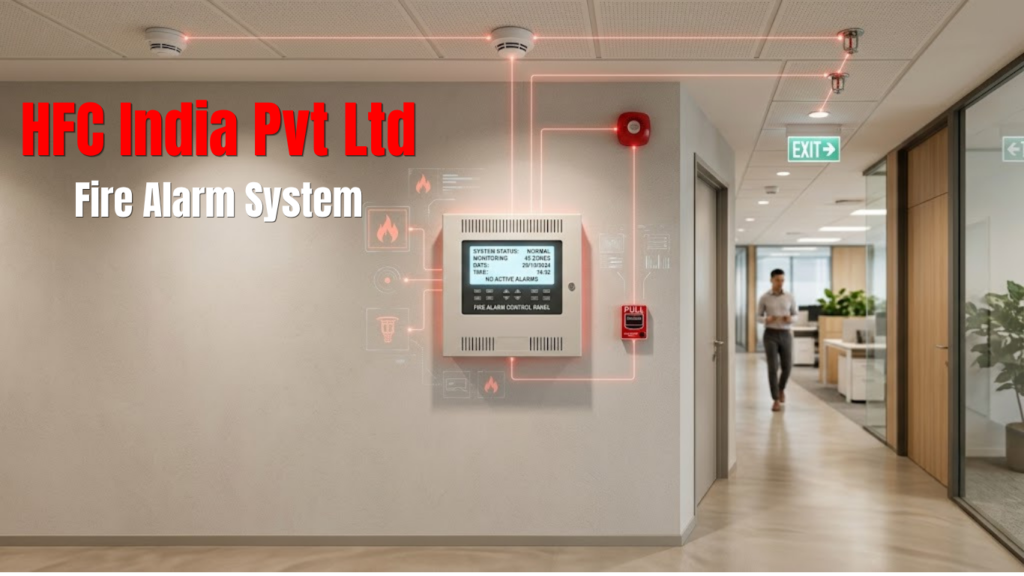
Fire safety is one of the most important responsibilities for any business owner. Whether you operate a small office, retail store, warehouse, hotel, or manufacturing facility, having a reliable fire alarm system can help protect people, property, and business operations. At the center of every fire alarm system is the fire alarm system panel, which monitors the entire system and responds when an emergency occurs.
In this guide, you’ll learn what a fire alarm system panel is, how it works, its main components, the different types available, and how to choose the right one for your business.
What Is a Fire Alarm System Panel?
A fire alarm system panel, often called the Fire Alarm Control Panel (FACP), is the central control unit of a fire alarm system. It receives signals from smoke detectors, heat detectors, manual call points, and other devices installed throughout a building.
When a fire or other emergency is detected, the panel immediately processes the information and activates alarms, warning occupants to evacuate. Depending on the system, it may also notify a monitoring center or trigger other fire safety equipment such as sprinkler systems, emergency lighting, or smoke control systems.
Simply put, the fire alarm system panel acts as the brain of the entire fire protection system.
How Does a Fire Alarm System Panel Work?
A fire alarm system panel continuously monitors all connected devices. Each detector sends information to the panel in real time.
When smoke, heat, or a manual call point activates, the panel quickly identifies the location of the event and performs several actions, including:
- Activating audible and visual alarms
- Displaying the affected zone or device
- Sending notifications to monitoring services
- Controlling emergency equipment
- Recording the event for future review
This rapid response helps businesses react quickly and reduce potential damage.
Main Components of a Fire Alarm System Panel
Understanding the basic components makes it easier to appreciate how the system operates.
Control Unit
The control unit processes incoming signals and manages the entire system.
Display Screen
Modern panels include a display that shows system status, alarm locations, faults, and maintenance alerts.
Power Supply
The panel operates using the building’s electrical supply and includes backup batteries that continue functioning during power outages.
Input Devices
These include:
- Smoke detectors
- Heat detectors
- Manual call points
- Flame detectors
- Gas detectors (where applicable)
Output Devices
The panel controls devices such as:
- Alarm sirens
- Flashing warning lights
- Voice evacuation systems
- Fire suppression equipment
- Building management interfaces
Types of Fire Alarm System Panels
Businesses can choose from several types of fire alarm system panels depending on building size and operational needs.
Conventional Fire Alarm Panel
A conventional panel divides the building into multiple zones. When an alarm occurs, it identifies the affected zone but not the exact device.
Best for:
- Small offices
- Retail stores
- Schools
- Small commercial buildings
Addressable Fire Alarm Panel
An addressable panel assigns a unique address to every connected device. It identifies the exact detector or manual call point that triggered the alarm.
Best for:
- Hotels
- Hospitals
- Office complexes
- Warehouses
- Industrial facilities
Intelligent Fire Alarm Panel
Intelligent systems provide advanced monitoring, diagnostics, event logging, and integration with building automation systems. They help reduce false alarms while improving overall reliability.
Benefits of Installing a Fire Alarm System Panel
A quality fire alarm system panel offers several important advantages.
Improved Life Safety
Early detection allows occupants to evacuate quickly and safely.
Faster Emergency Response
Accurate alarm information helps emergency responders locate the incident faster.
Business Continuity
Prompt fire detection can reduce downtime and minimize property damage.
Regulatory Compliance
Many local fire safety regulations require commercial buildings to install and maintain approved fire alarm systems.
Lower Risk of Property Damage
Early warning allows faster intervention before a fire spreads.
How to Choose the Right Fire Alarm System Panel
Selecting the right system depends on your business requirements.
Consider the following factors:
- Building size
- Number of rooms or zones
- Future expansion plans
- Local fire safety regulations
- Integration with sprinkler and security systems
- Maintenance requirements
- Ease of operation
- Manufacturer support and warranty
Consulting a qualified fire protection professional can help ensure the system matches your facility’s needs.
Importance of Regular Maintenance
Even the best fire alarm system panel requires routine inspection and testing.
Regular maintenance helps:
- Detect equipment faults early
- Verify detector performance
- Ensure backup batteries remain operational
- Maintain compliance with safety standards
- Reduce unexpected system failures
A preventive maintenance schedule helps keep the system reliable throughout its service life.
Common Signs Your Fire Alarm Panel Needs Attention
Watch for these warning signs:
- Frequent false alarms
- Trouble or fault indicators
- Battery warnings
- Unresponsive detectors
- Communication failures
- Aging equipment with discontinued parts
Ignoring these issues can compromise the effectiveness of your fire safety system.